This store requires javascript to be enabled for some features to work correctly.


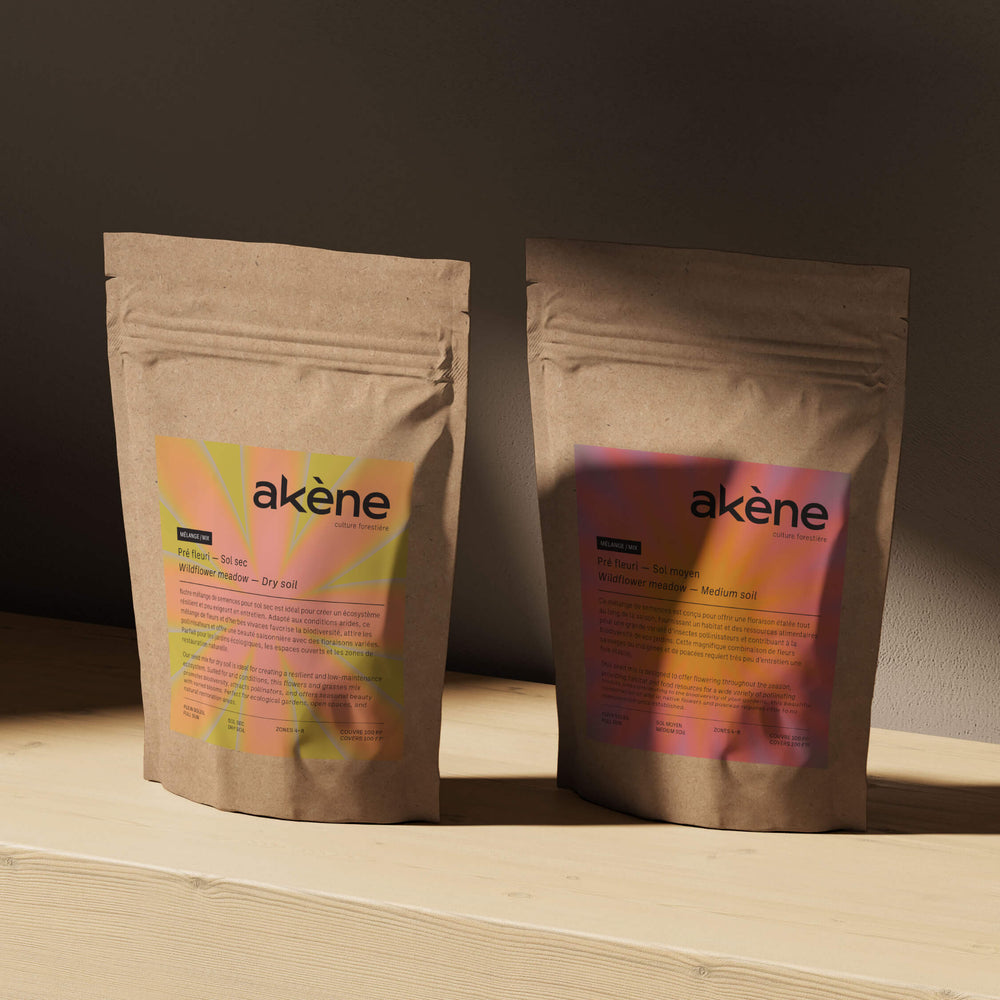
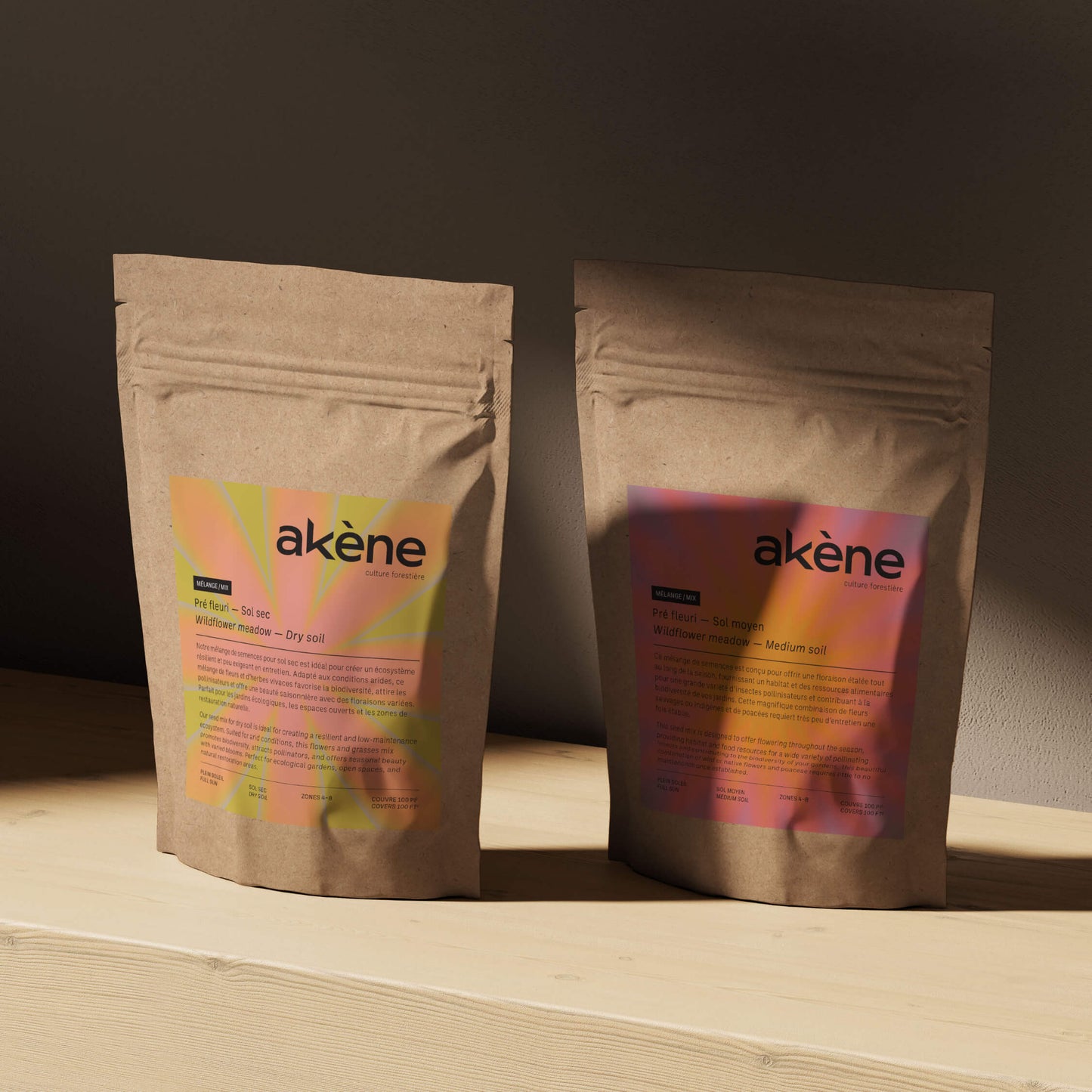
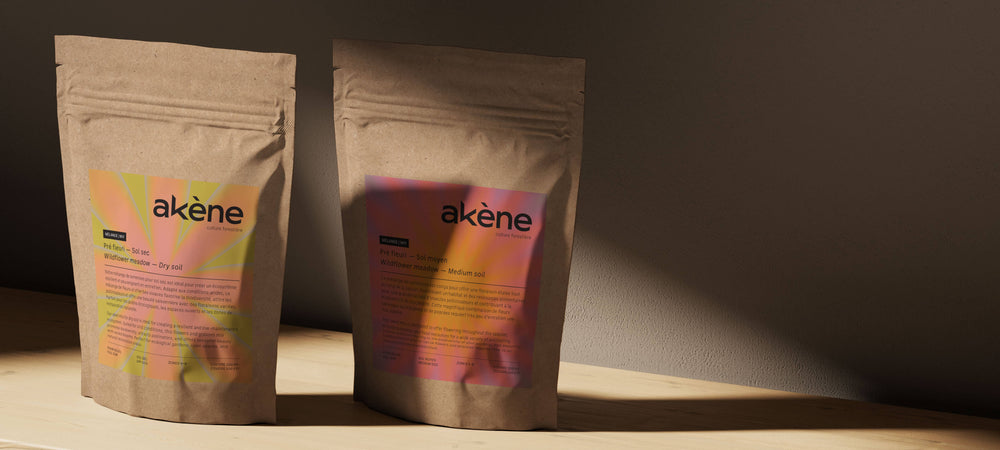
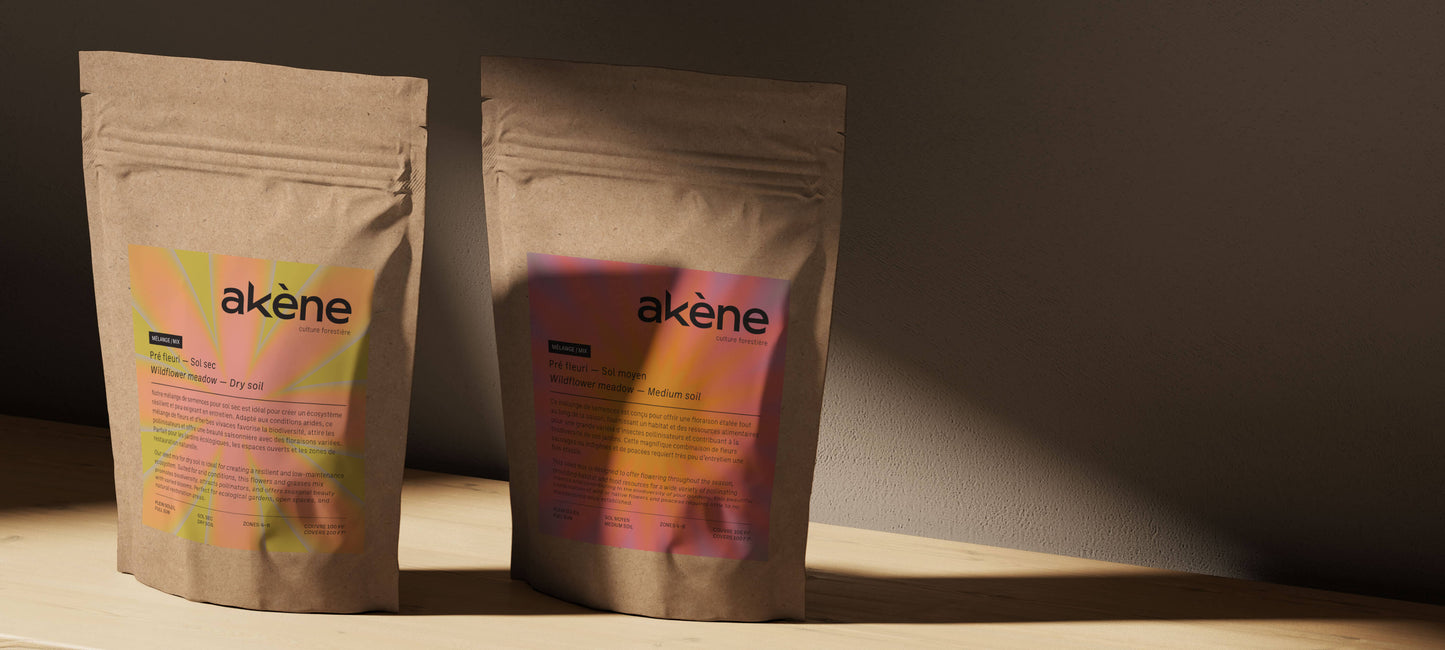


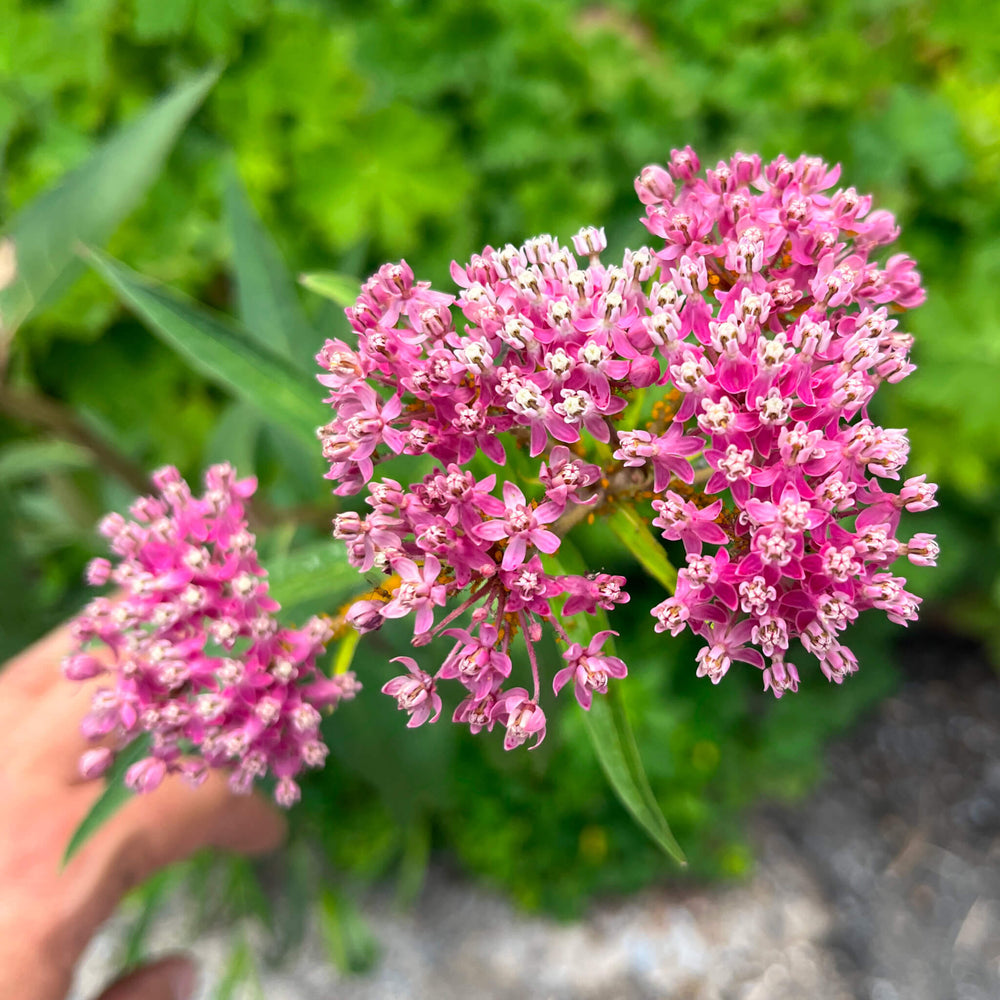
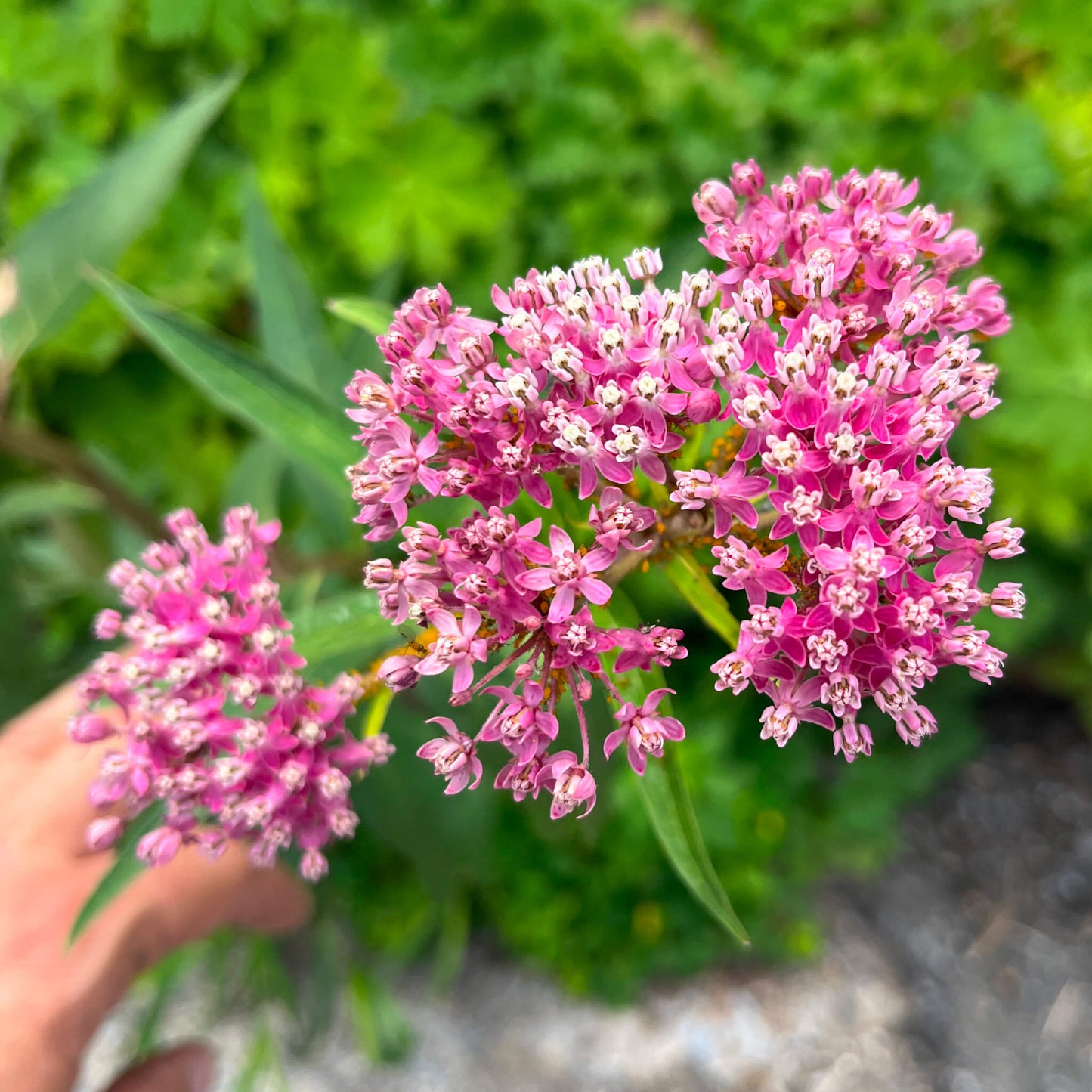
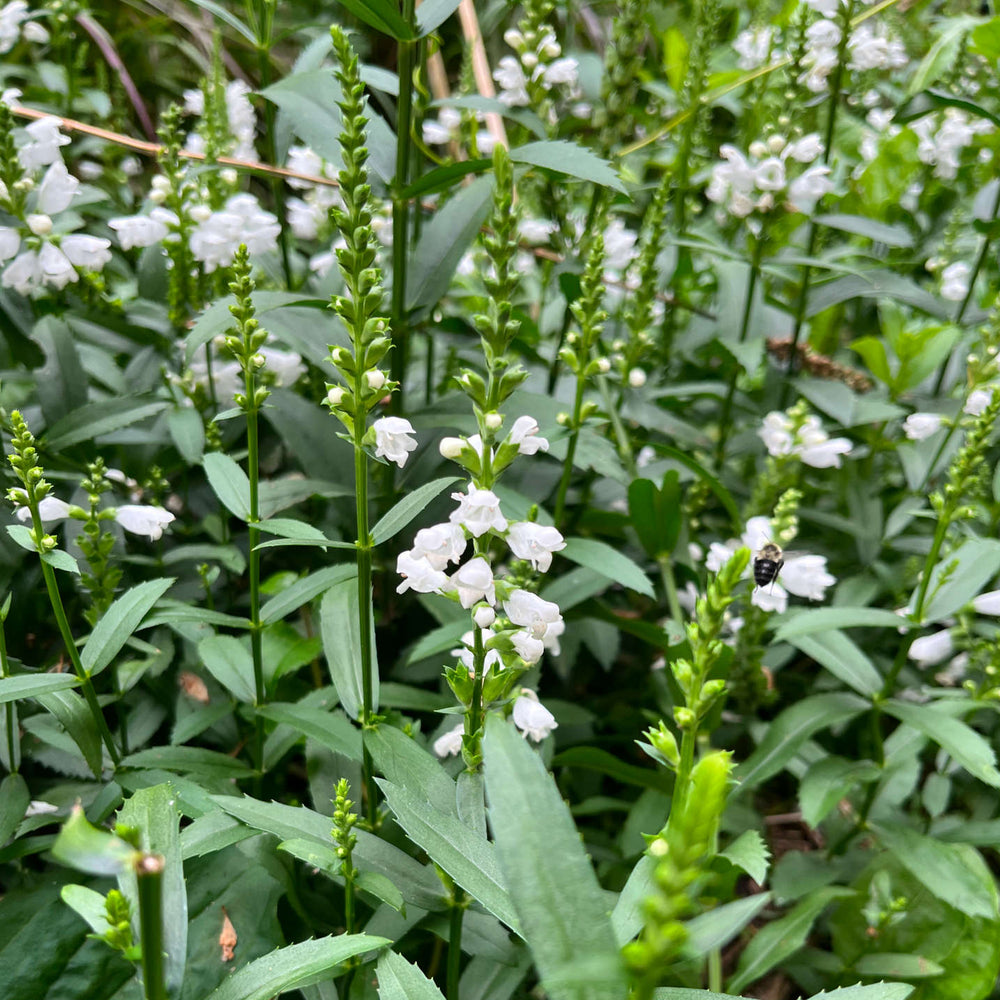
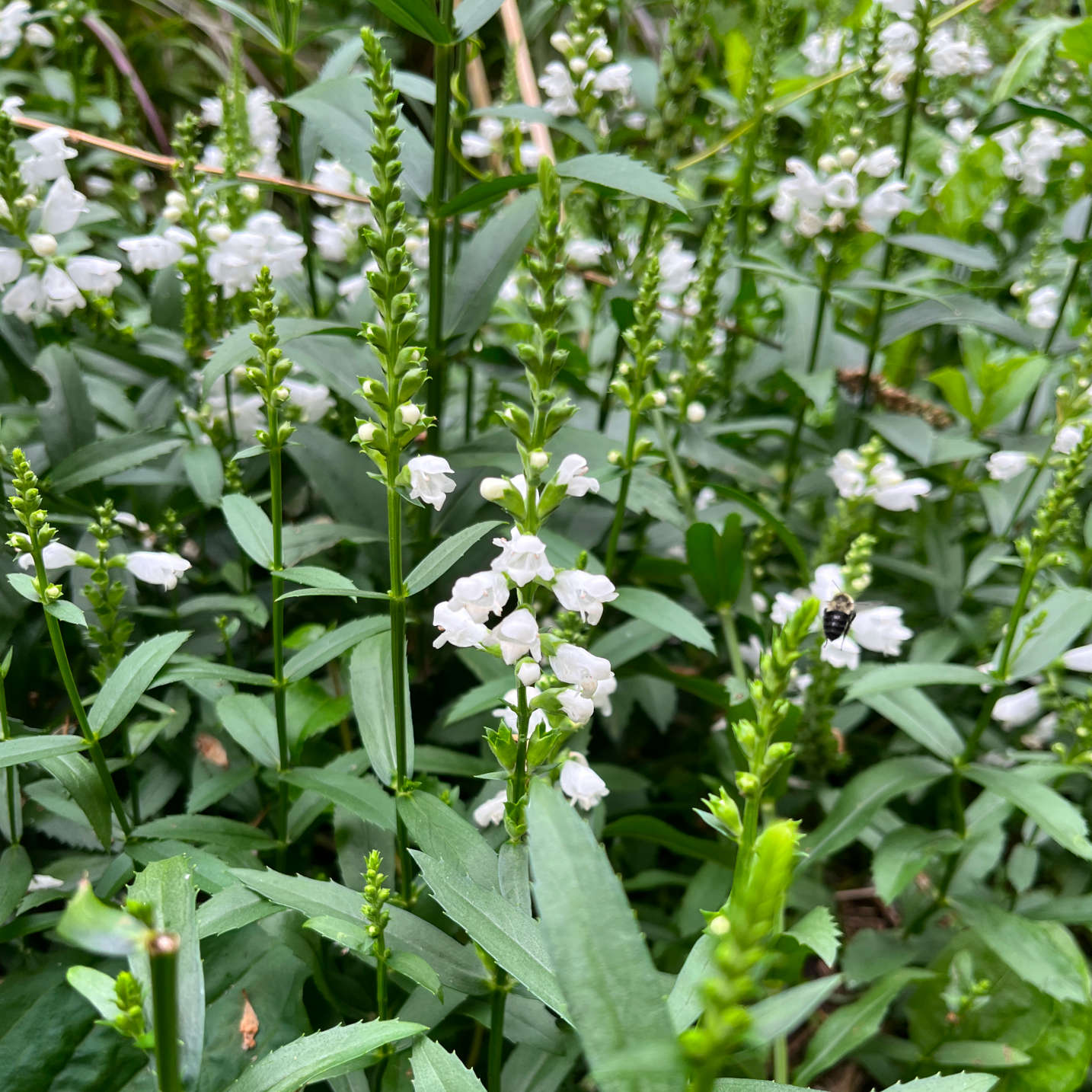
Invite nature into your yard with this unique kit, designed to actively support local biodiversity while creating a vibrant and colourful garden.




From Our Blog


No Mow May: A Great Start. Here Is What Comes Next.
No Mow May is an excellent starting point for rethinking our lawns. But to truly support pollinators, we need to...


Is Your Lawn Really Green?
Is your lawn really as green as it looks? A symbol of greenery and order, lawns now cover vast areas...


Do You Say Akene or Achene?
Akene, achene or achaene: learn what an akene is and why Akène chose this spelling.


Is Your Lawn Really Green?
Is your lawn really as green as it looks?
A symbol of greenery and order, lawns now cover vast areas across North America. Yet maintaining them requires large amounts of water, fertilizers, fuel, and pesticides, while offering very few benefits for biodiversity. Beneath its green appearance, turf grass contributes to pollution, climate change, and soil degradation.
Wildflower meadows and diversified lawns, by contrast, offer a durable and accessible alternative. Made up of perennial plants with deep roots, they require little maintenance once established, support biodiversity, and store more carbon in the soil.
Rethinking our lawns does not mean giving up green spaces. It means transforming them into environments that are more alive, more resilient, and better suited to today’s environmental challenges.
👉 Discover why and how to begin this transition.

Do You Say Akene or Achene?
Akene, achene or achaene: learn what an akene is and why Akène chose this spelling.