






For successful seedlings,
see the growing notes at the bottom of the page!
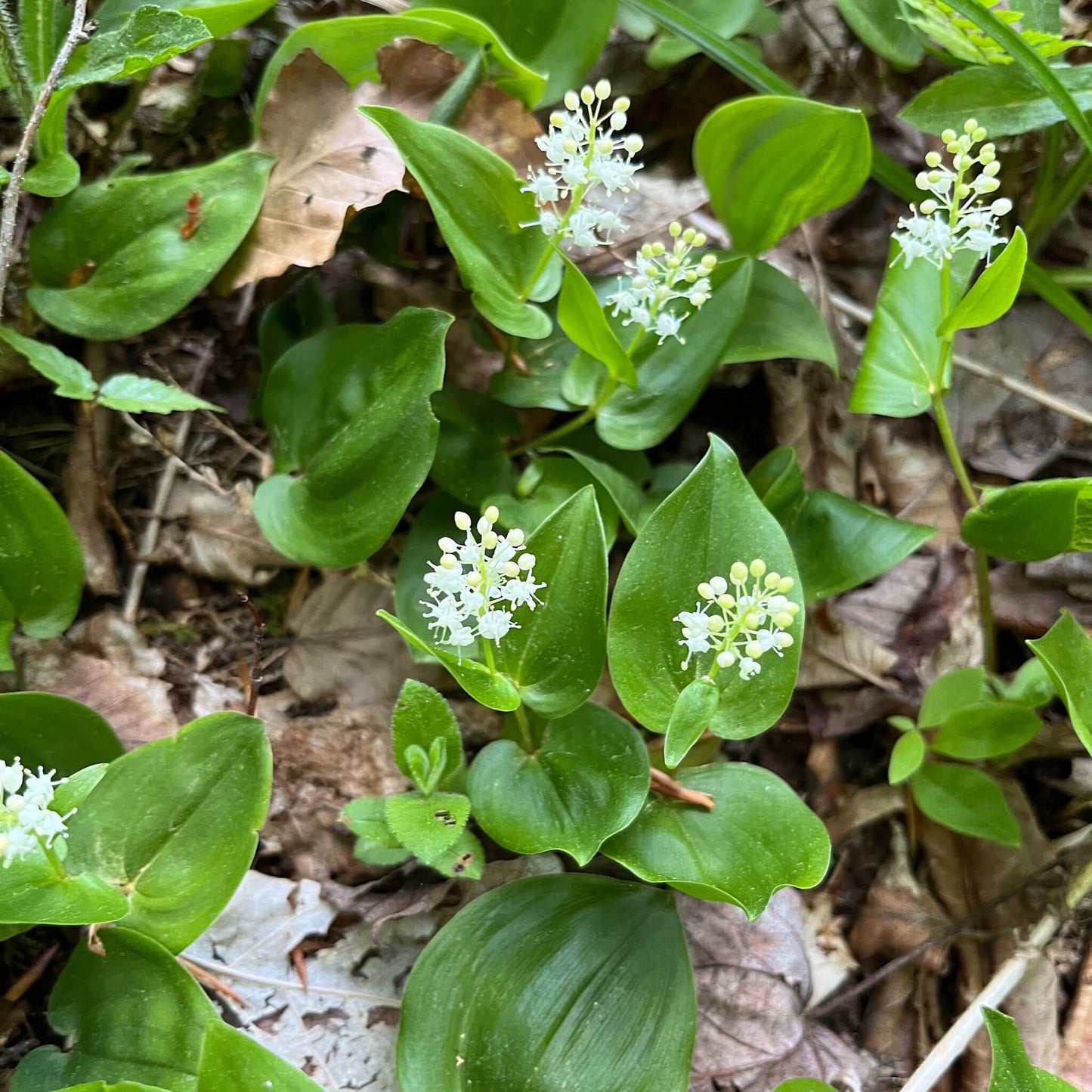
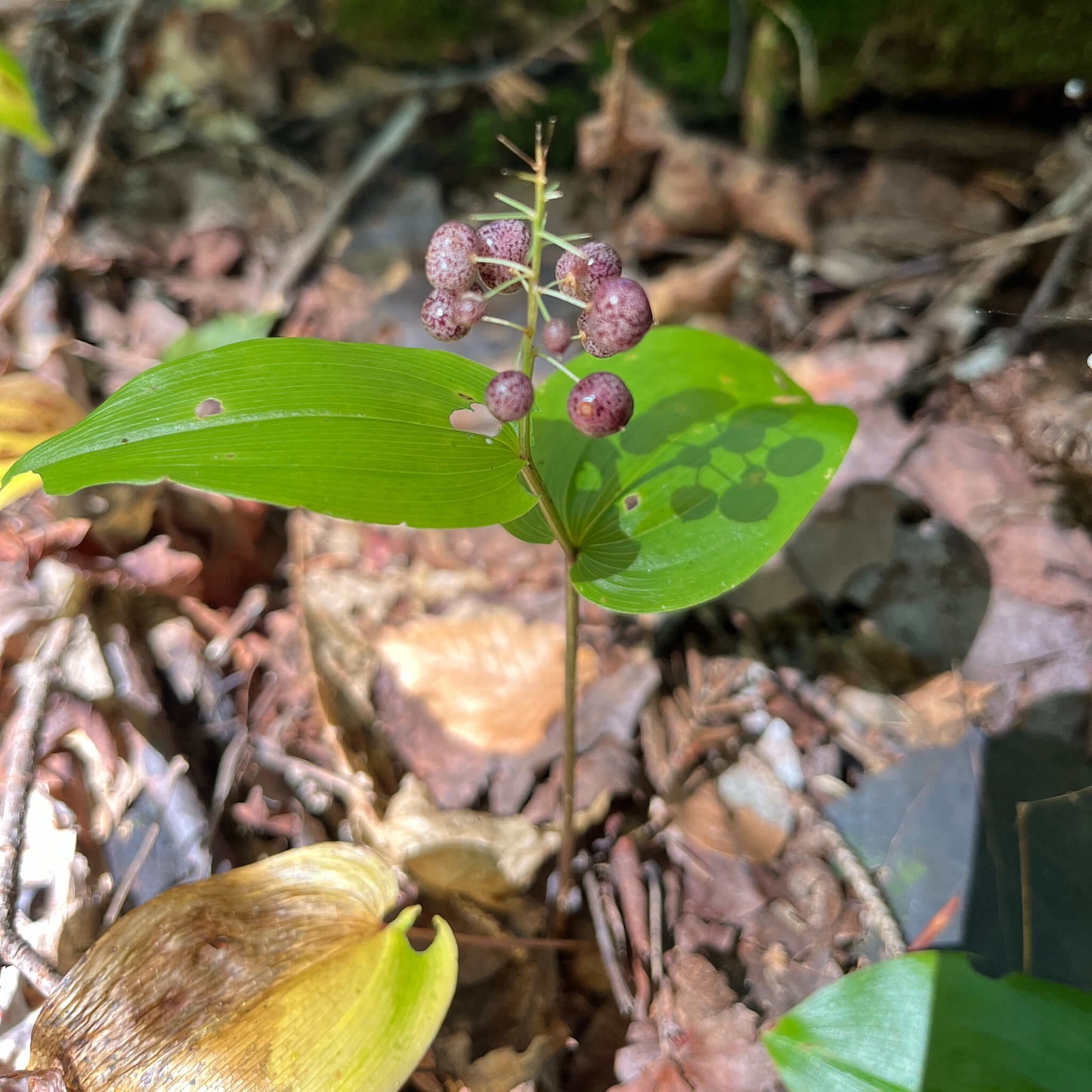
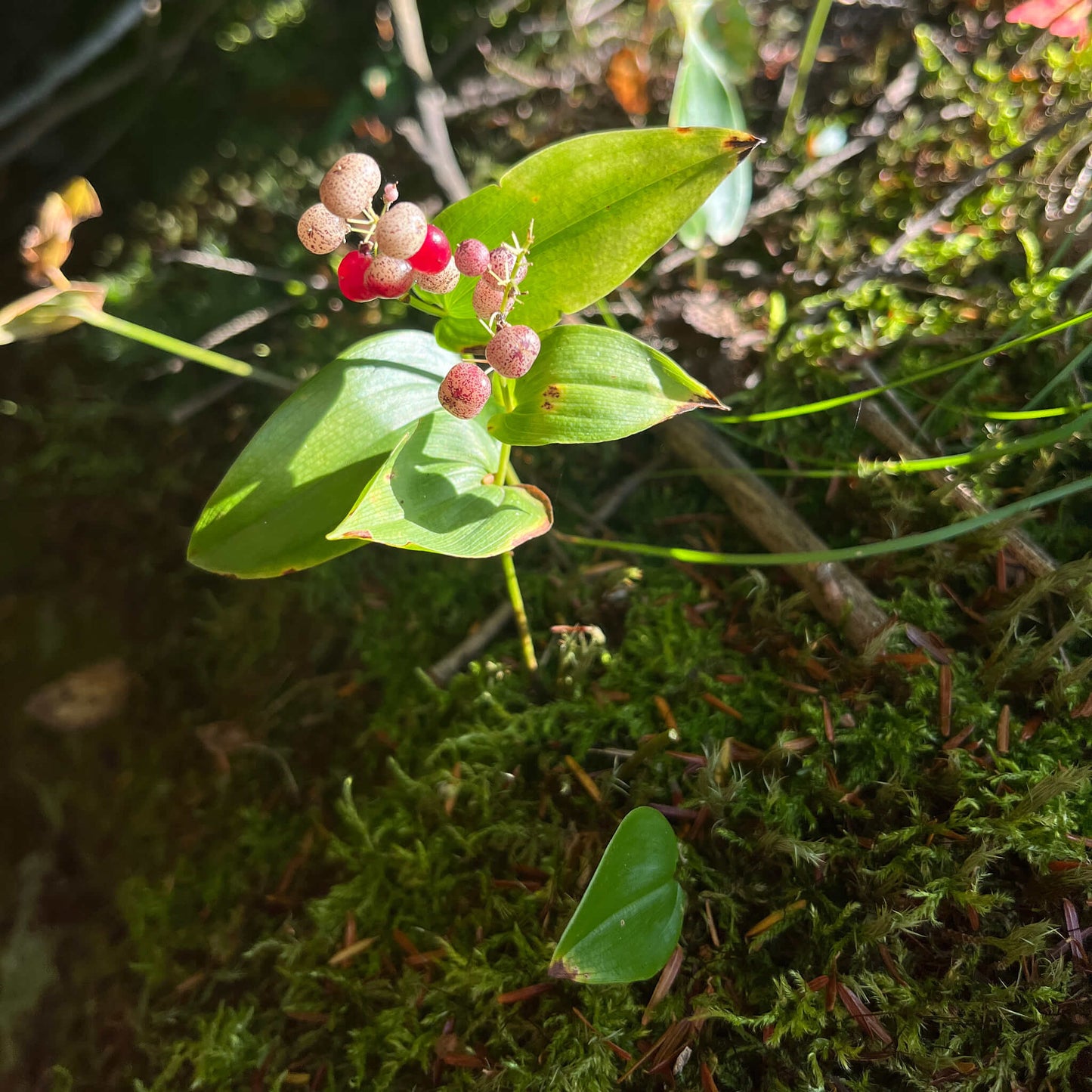
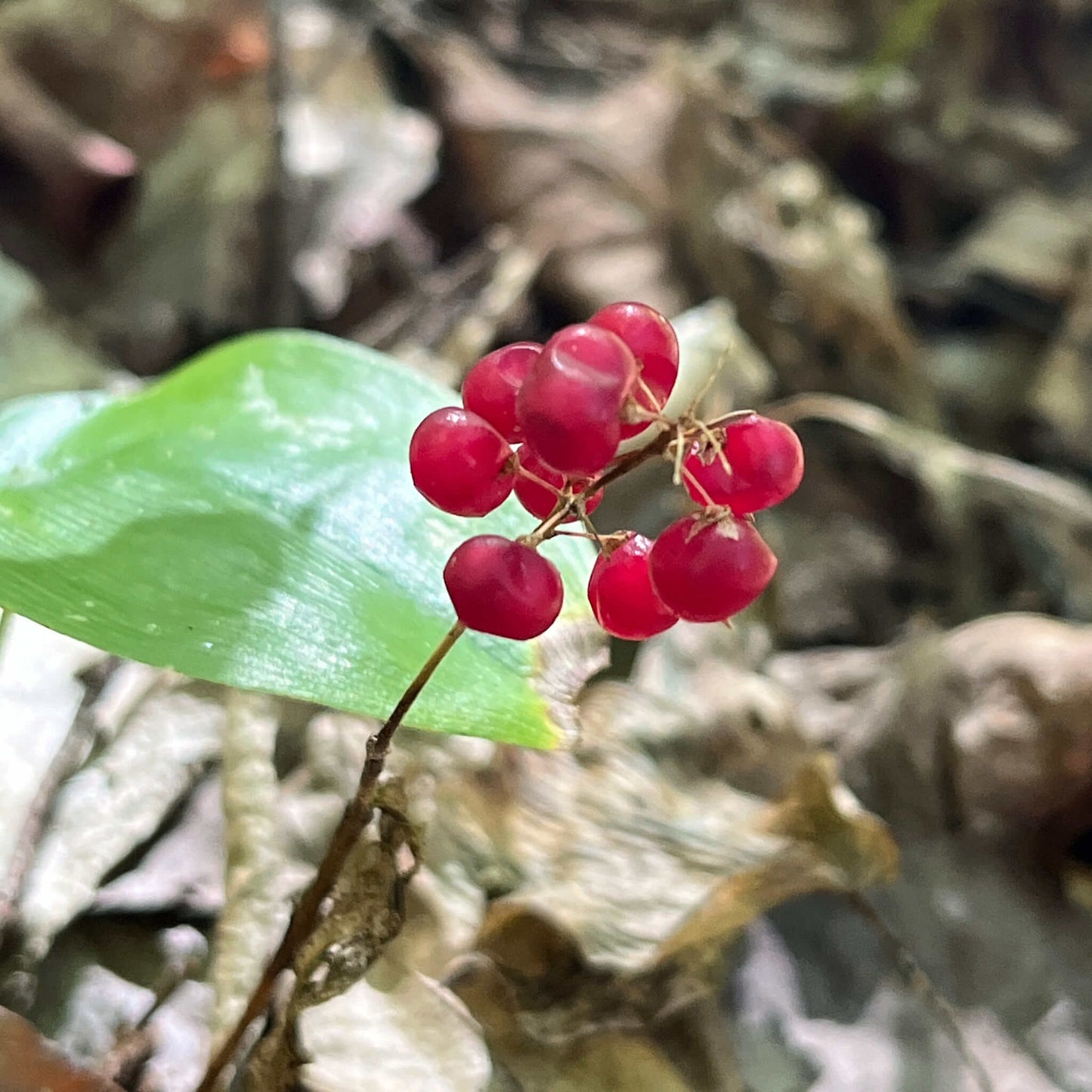
Canada mayflower (Maianthemum canadense), also known as Canada beadruby, is a small native perennial plant found in the shaded forests and acidic soils of North America. It typically grows between 5 and 10 cm tall and is distinguished by its heart-shaped leaves, bright green and often veined. In the spring, it produces delicate clusters of small star-shaped white flowers atop short stems, which turn into reddish berries by the end of summer. This plant is ideal for shaded gardens and woodland plantings.
Ecological Role
Canada mayflower plays an important role in forest ecosystems, providing a food source for some small mammals and birds that consume its berries. As a ground cover plant, it helps stabilize forest soils and prevent erosion. In naturalistic gardens, it attracts various pollinating insects during its bloom and adds a natural touch to the forest floor cover.
Upon receipt, it is important to place the packet containing seeds in the refrigerator until sowing.
Canada mayflower seeds require cold stratification to ensure germination. See the growing notes below for more details.
Akène cannot assume any responsibility for the use of plants for therapeutic purposes. Always seek advice from a professional before using a medicinal or edible plant.
Sowing and Growing
Technical Details
Seeds per packet: 25
Family: Liliaceae
Scientific name: Maianthemum canadense
Life cycle: Perennial
Hardiness zone: 2
Soil type: All types
Soil moisture level: Dry to humid
Soil - additional attributes: Rich. Humusy. Well-drained. Tolerates acidic soils.
Drought tolerance: Low
Light: Part shade, shade
Blooming: May to June
Spacing: 15 cm
Height: 10 cm
Deer resistance: Moderate
Stratification: Pre-stratified
Scarification: No
Germination time: 14 to 28 days
Sowing depth: 10 mm
Reproductive system: Hermaphrodite