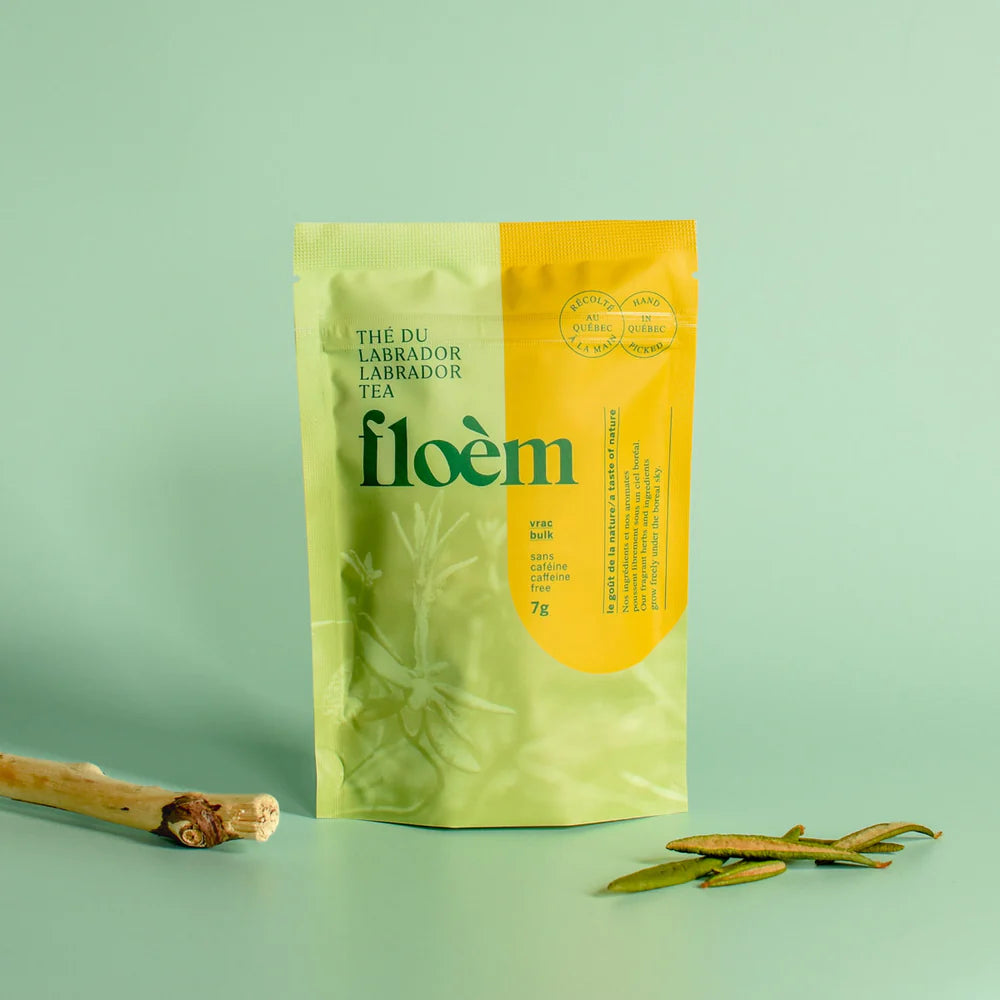
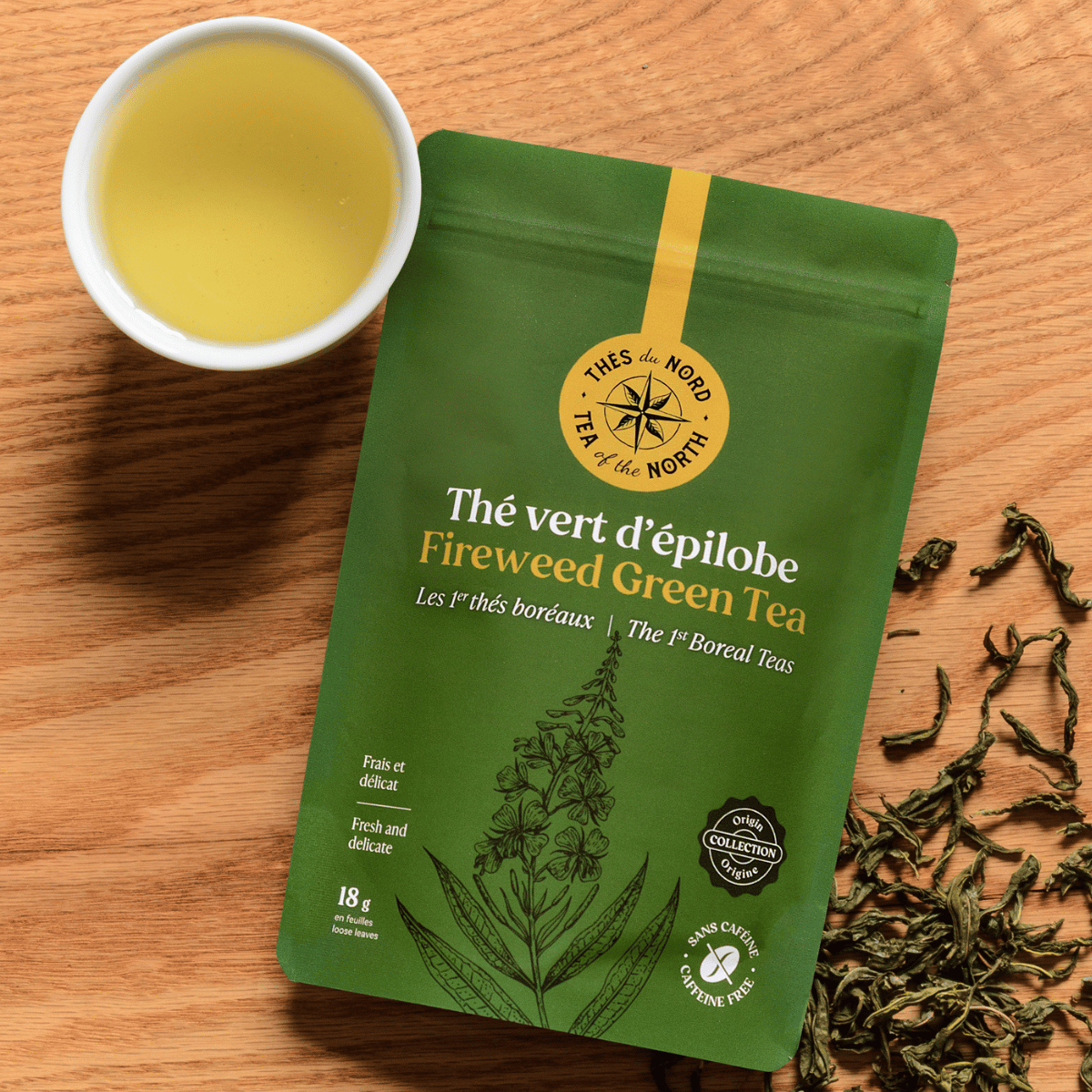
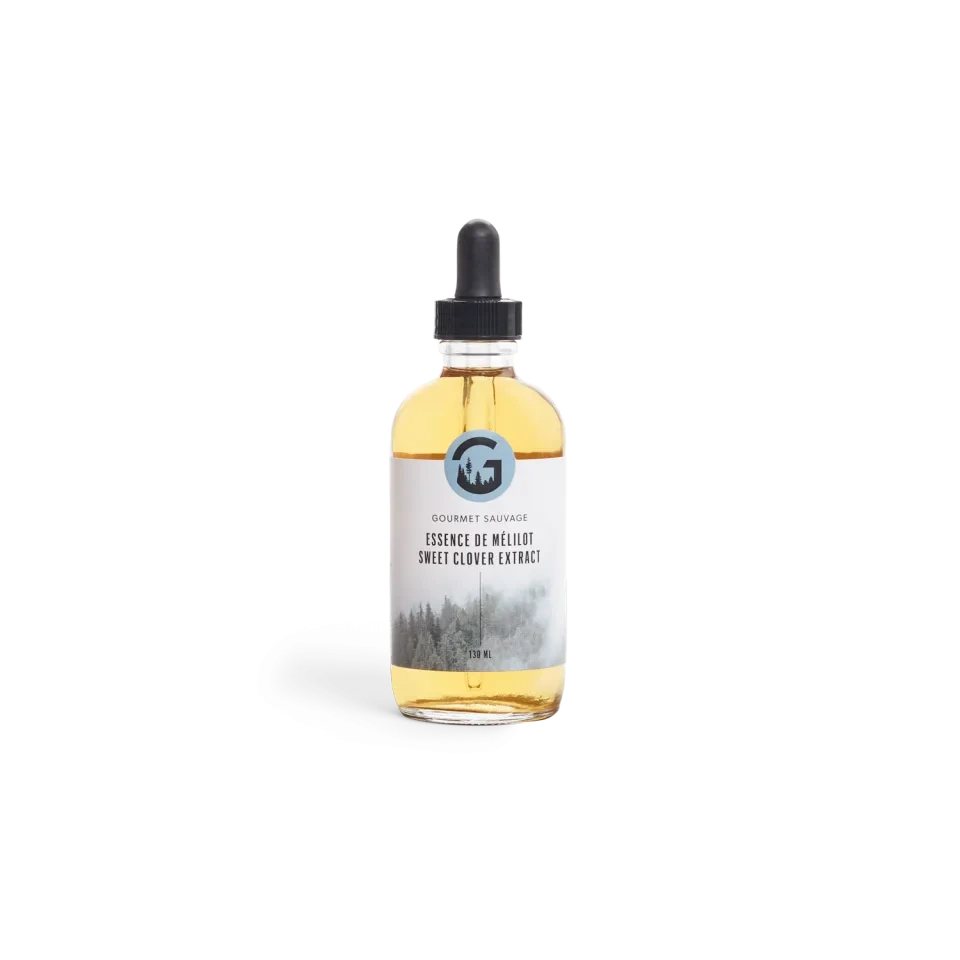
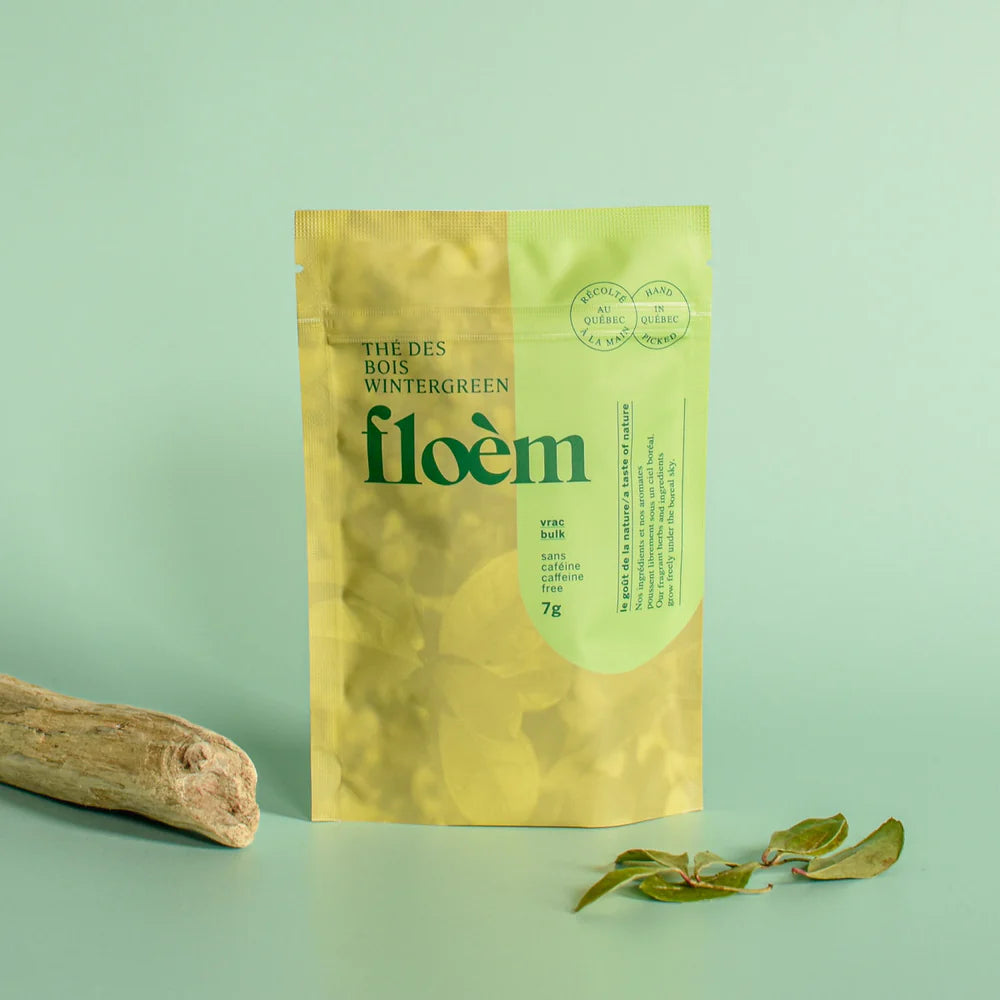
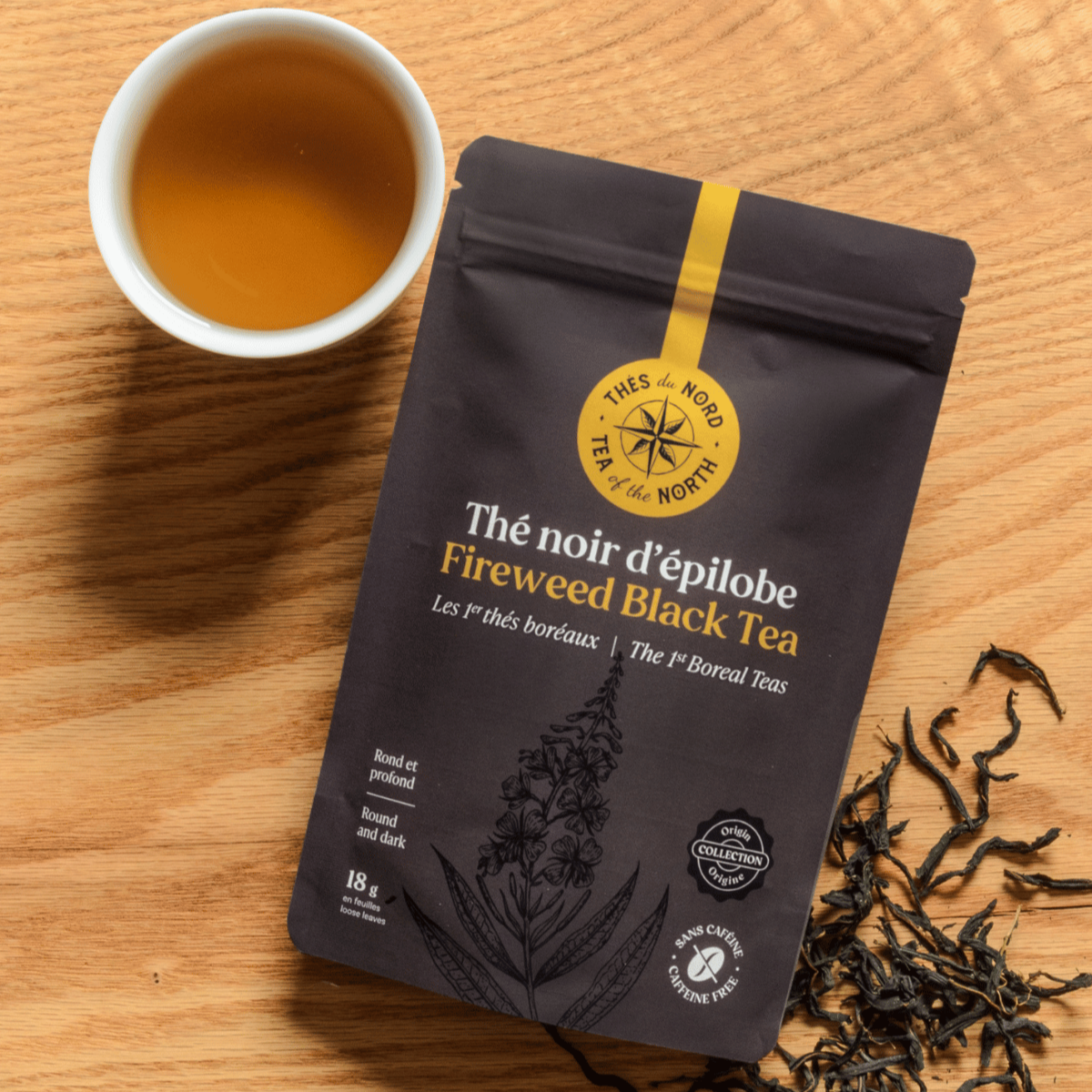
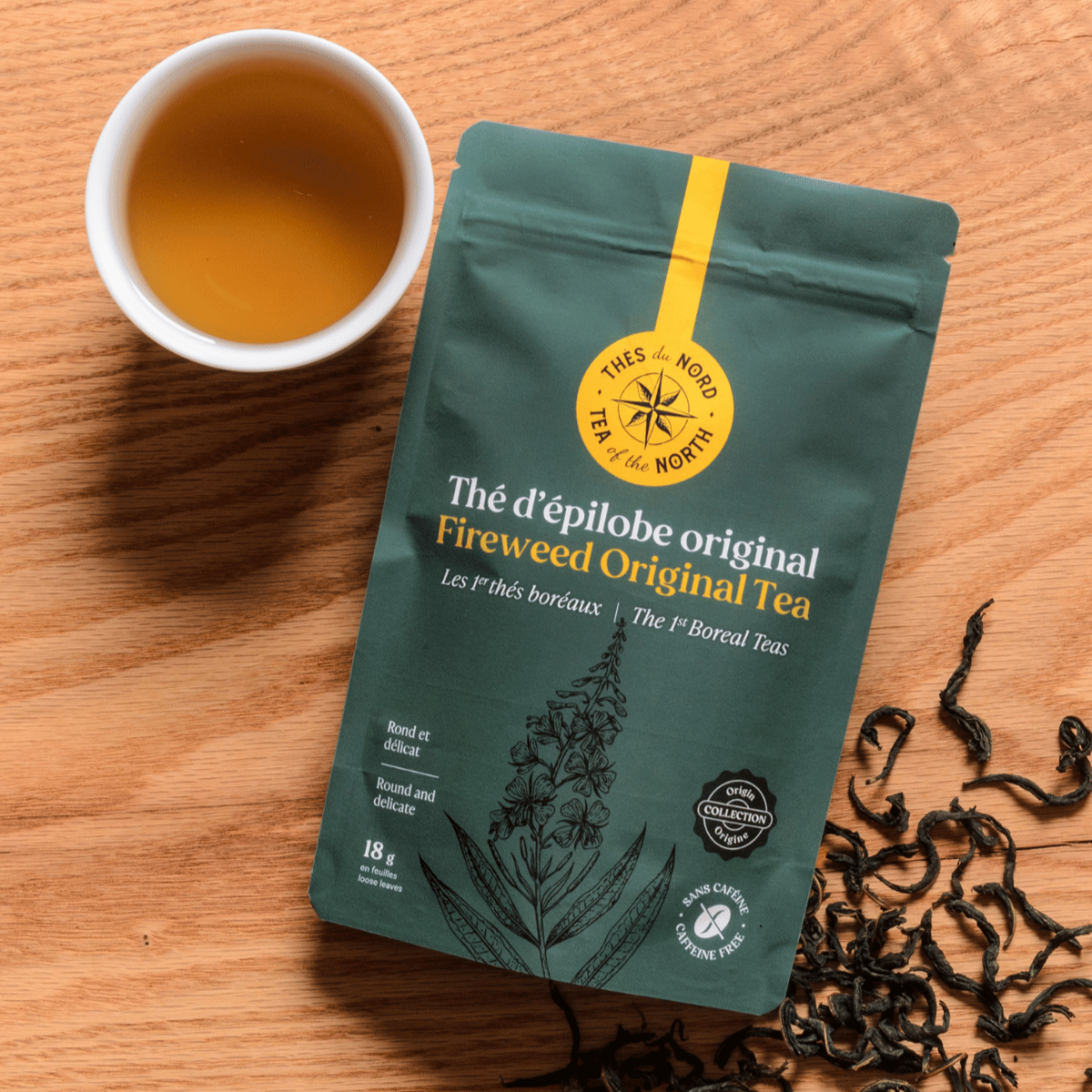
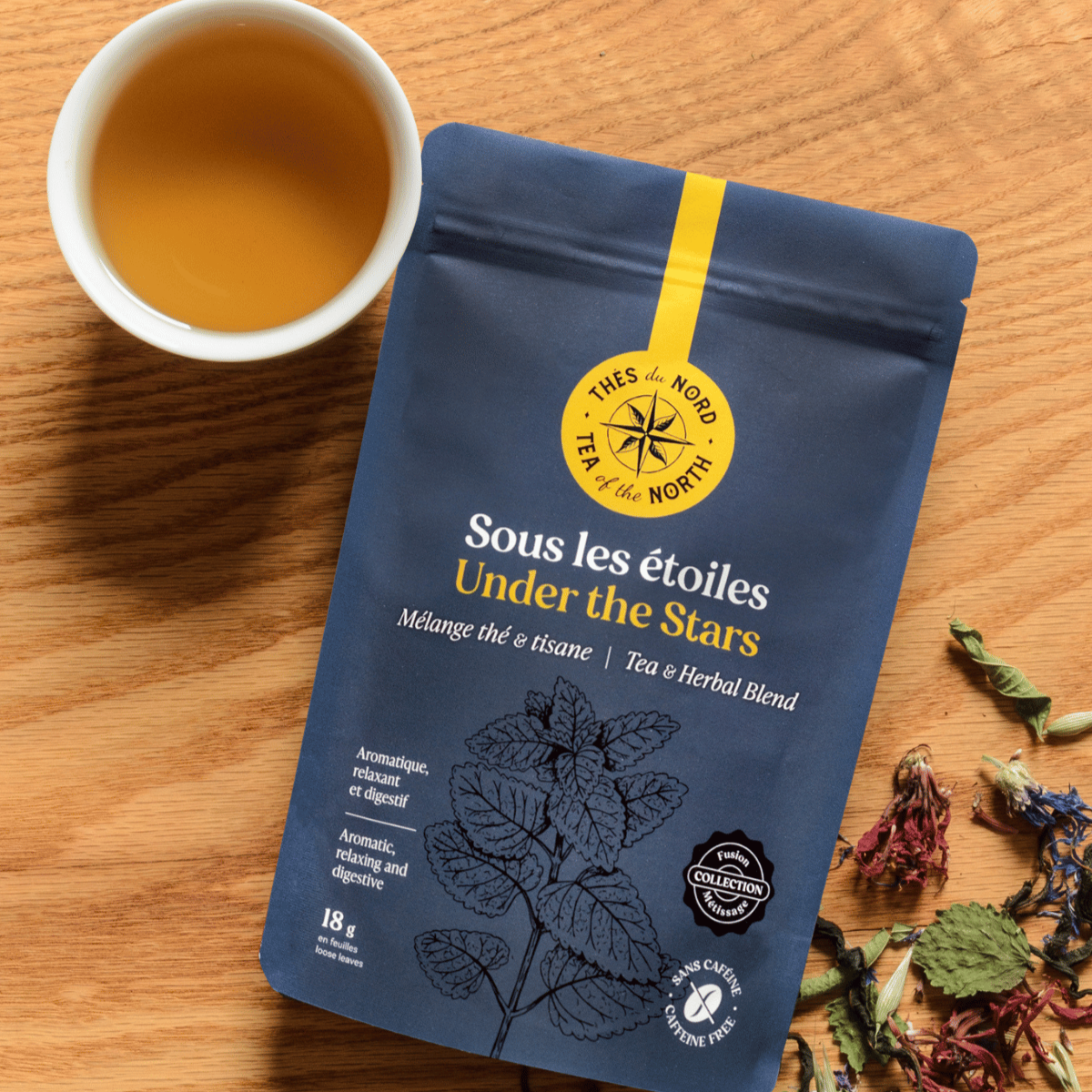
We are delighted to introduce Floèm, a Quebec-based company showcasing boreal flora. Their unique herbal teas are made from hand-picked ingredients foraged in Quebec’s wild landscapes, delivering an authentic and flavourful experience.
Description
Dune pepper, also known as green alder, is a widely used forest ingredient in northern Quebec. This shrub, which can reach three meters in height, produces catkins (botanical term) as flowers, this is the part that is harvested for use in high gastronomy. It can be eaten freshly picked or dried, it is generally found dry and whole on the market.
How does it taste?
It is nicknamed pepper, but in reality it does not belong to their category. It is rather a substitute and a local option for sourcing local spices. Its taste is very different from pepper, it is surprisingly complex and difficult to describe. It can be described as fir and resinous, peppery, with a slight bitterness that contrasts with its floral side. It is also attributed with citrus, dill, lemony and sweet notes. Very gently, it very well represents the scents of the boreal forest.
Where to use dune pepper?
The answer is simple: everywhere, everywhere, everywhere!
- In recipes such as broths, sauces and marinades
- In all-purpose spice blend
- In drinks such as herbal tea, coffee, beer and gin
- In the desserts! Like a chocolate pie or a maple tart
- To flavor an oil (infused oil)
The virtues of green alder
It has been used to reduce fever, to stop bleeding and to decrease gas in the stomach. Like many resinous plants and trees, it has astringent and tonic properties, which promote a feeling of well-being and vigor. In addition, its essence has been extracted in a decoction to give to children with a weak appetite. On the other hand, it is considered abortifacient, so it must be avoided in the first months of pregnancy to avoid complications.
Its natural environment
Dune pepper is found throughout eastern North America, especially in Canada. It likes moist, nutrient-poor soils, such as rocky sites, sandy areas, level ground, and mountains. The shrub also grows well near marshes, streams, lakes and rivers. It is possible to harvest it during all the winter months, but it is recommended to pick it towards the end of the fall so that it is at the peak of its flavor.
Benefits
It has been used to reduce fever, to stop bleeding and to decrease gas in the stomach. Like many resinous plants and trees, it has astringent and tonic properties, which promote a feeling of well-being and vigor. In addition, its essence has been extracted in a decoction to give to children with a weak appetite. On the other hand, it is considered abortifacient, so it must be avoided in the first months of pregnancy to avoid complications.
Ingredient
Wild green alder
Not recommended for pregnant women and children under 5 years old.
Taste & Flavour
It is often called pepper, but it is not actually a true pepper. It is more of a local substitute, offering a terroir-based alternative for adding spice. Its flavour is very different from pepper: remarkably complex and difficult to describe.
It can be described as fir-like, resinous and peppery, with a slight bitterness that contrasts with its floral notes. It also has hints of citrus, dill, lemon and sweetness. Smooth and delicate, it beautifully captures the aromas of the boreal forest.